
Starting fostering later in life
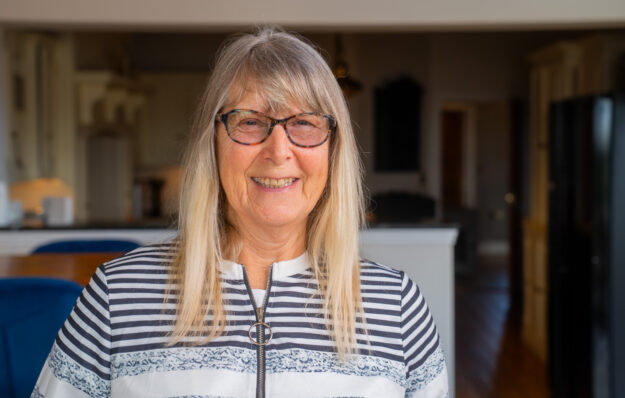
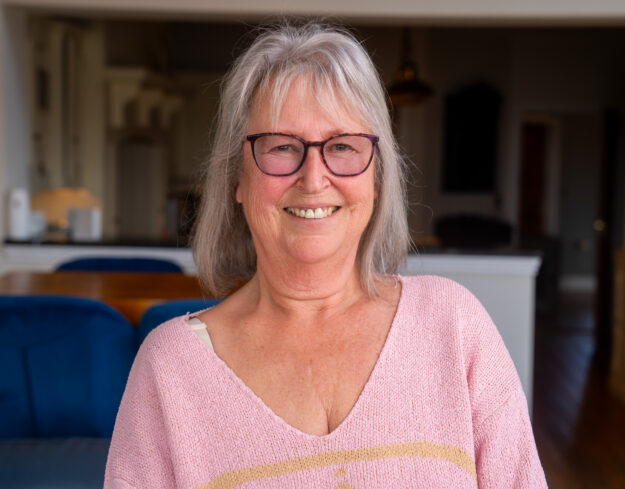
Linda was approved with FCA in January 2019. She currently cares for one child and offers short-breaks to two others. Jayne was approved in May 2011 and provides Staying Put (a type of foster care that helps the transition into independent adulthood) to a young man in her care, aged 18.
For both Linda and Jayne, fostering wasn’t something they rushed into – it was something they came to when the time felt right.
Linda shares how her journey began naturally, explaining, “I’ve always liked having children about,” and when her family situation changed, it opened a new door. After caring for her grandchildren, she found herself with space again and thought, “Oh, I can start fostering and still doing it.”
Jayne’s experience was similar. She had considered fostering earlier in life but waited until things felt more settled. As she puts it, “when my daughter was younger, I wanted to do it… and then it wasn’t the right time.”
Later on, after working and focusing on other parts of life, she reached a point where she felt ready: “I got to the stage where, yeah, I think now I’m going to give it a go.”
If you’ve ever wondered whether it’s “too late” to start fostering, their stories offer reassurance. There’s no single right moment, just the moment that feels right for you.
“Don’t let it hold you back”
One of the biggest concerns people sometimes have is whether they can foster as a single carer. Linda and Jayne are clear in their message: being on your own doesn’t mean being unsupported.
Jayne reflects honestly, “I don’t think I ever thought about the problem of being a single carer… obviously you haven’t got the support of your partner,” but she’s quick to add that this isn’t the whole picture.
What really matters is the wider network around you. As she explains, “we’ve got such a big support network and other carers… just don’t let it hold you back.”
That sense of connection has been an important part of their experience. Through training and shared experiences, they built strong relationships with other foster parents. Linda highlights how “we did a lot of training together and that way you build your relationships,” while Jayne adds that “it’s so important to build a relationship with other carers because your friends don’t really understand… if you’re not in that position.”
For many foster parents, that shared understanding becomes a vital source of encouragement and reassurance.
Seeing progress, one step at a time
Both Linda and Jayne speak about the importance of patience and recognising small steps forward.
Linda reflects on one child’s journey, sharing how “the first I had, she was only at school an hour and a half a day and within six months she was in full-time school and doing really well.”
Moments like these can feel incredibly rewarding—not because everything changes overnight, but because progress happens gradually.
At the same time, they are open about the challenges. As Jayne explains, “we do tend to have children that are quite traumatised,” and that means offering “a lot of patience and a lot of understanding.”
Understanding children’s experiences
Linda and Jayne are clear that children coming into care may need time to adjust.
Jayne explains, “don’t expect them to come in and be grateful, it’s like alien to them.” The routines, expectations and environment can feel completely unfamiliar, and “what you’re trying to get them to do is totally alien to them.”
That’s why patience—and a sense of humour—are so important.
As Linda puts it, “you’ve just got to have the patience to go with it,” while Jayne adds, “and have a sense of humour… you do have to laugh.”
This honest, down-to-earth perspective can help set realistic expectations for anyone considering fostering. It’s not about perfection – it’s about consistency, care and understanding.
“The best thing I’ve ever done”
Looking back, both Linda and Jayne feel strongly about the impact fostering has had on their lives.
Jayne describes it simply as “the best thing I’ve ever done,” and reflects that she only wishes she had started sooner, saying, “I didn’t start till I was in my 50s.”
Linda feels the same, adding, “I was in my 60s and I wish I’d started earlier because it is absolutely the best thing you can do.”
Their experiences show that fostering can fit into different stages of life and that it’s never too late to make a meaningful difference.
Thinking about fostering?
If you’re considering fostering, it’s completely natural to have questions—especially about timing, support, or whether you could do it on your own.
Linda and Jayne’s story is a reminder that you don’t have to have everything figured out from the start. With the right support network and guidance, fostering can become something you grow into.
If you’d like to find out more, you can take that first step by getting in touch with one of our friendly advisors today and discover what it’s like to foster with FCA.
More fostering stories:




Looking for a new career path?
Find out how you can make a difference…
By Phone
Call a member of our friendly fostering team and they’ll be able to answer all your questions
By Email
Email our team by completing our online enquiry form
Visit an office
We are always happy for you to pop in for a chat