
How Jamila makes every child feel included…
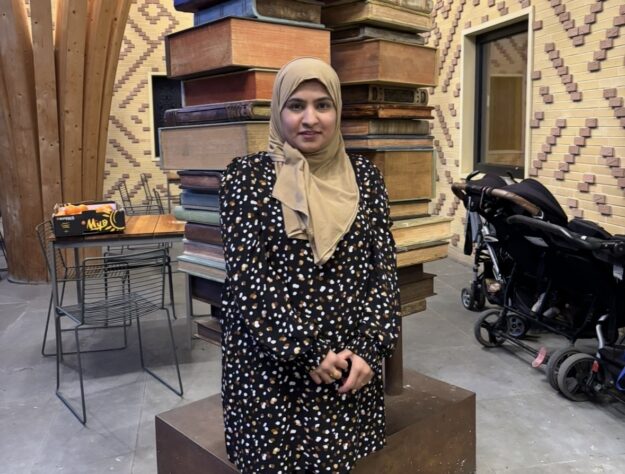
As Ramadan begins, we’re proud to celebrate the diversity within our fostering community and the many ways families make children feel safe, included and cared for. For one of our foster parents, observing Ramadan is a meaningful and peaceful time – but in a fostering household, the children always come first. From keeping routines familiar, to sharing food, small gifts and acts of kindness, she explains how faith and fostering can sit comfortably side-by-side, ensuring every child feels welcome and supported, whatever their background or beliefs.
We spoke to our foster parent Jamila about how she observes this special time of year within her fostering household. She shares how she balances her faith with everyday family life, keeps routines reassuringly normal for the children in her care, and finds simple ways to include them in the celebrations.
How have you managed Ramadan within your fostering household?
During Ramadan we carry on pretty much as normal to be honest. We currently have 3 children in our care but none of them follow our faith. Two are too young to fast anyway. So, we don’t let fasting affect them. I prepare their meals for them at their normal times. The longer prayer is late at night, and the little ones have already gone to bed. I do my prayers and worship at home so there is never an issue of the children having to have a change of routine. This year the fast opens around 5-5:30pm anyway so it is a pretty easy one. Any nice food we cook is always offered to the children in the household. My elder foster daughter usually has it as her cuisine taste is similar to ours. My younger two are White British though so the spicy food doesn’t suit their palate. Therefore, they usually only have a taste, but their main meal is more bland food!
What kinds of celebrations or traditions did you and your family take part in?
We celebrate Eid with my wider family, and I ask the elder child (17) whether she wants to be involved. She prefers to not get involved in the family visit but enjoys the food we have at my house and definitely appreciates getting Eid money. With the younger ones I buy them outfits for Eid and my little girl loves to get involved with all the mehndi and nails done etc. I have made little Eid hampers in the past (and will continue to do so) for the children where I put a few treats and a little present to unwrap. I also give every child in my care Eid money. They can then use this to buy themselves something from the shop. I believe that they should get to be involved in celebrating without having to worry about the religious aspect. So, we explain that as we are Muslims we are praying, fasting etc. but this is not something expected of anyone else.
In my household we have a tradition where we do a charity food bank run towards the end of the month of Ramadan. This started because as we were eating less, we were spending less on grocery shopping throughout the month. So, with that extra money we would do a big food shop and donate it to our local food bank. There was a church food bank that my kids school donated to at Harvest time that they knew about so we would just go there with whatever we had to donate (we go to our local one now). I wanted to teach my children about Charity and Giving which is one of our five pillars in Islam and being hungry is understood more when you are hungry yourself! I think it’s nice to continue this and involve any children in my Care in this tradition as they too can learn the importance of helping others less fortunate than us.
Is there anything else you think would help other foster parents learn more about Ramadan or feel more confident supporting it in their own homes?
I have found that by explaining what we are doing and why, we make the children more comfortable. If they are older, they benefit from reassurance that they can eat in front of us and carry on as normal as I think older children can get worried that they are offending us by eating when we cannot, which is absolutely not the case. Also just doing everything as normal so it doesn’t impact the children adversely is the main thing. To be perfectly honest Ramadan is a beautiful peaceful time due to the extra worship and prayer, but it’s a normal part of a Muslim’s life so I believe we just get on with it.
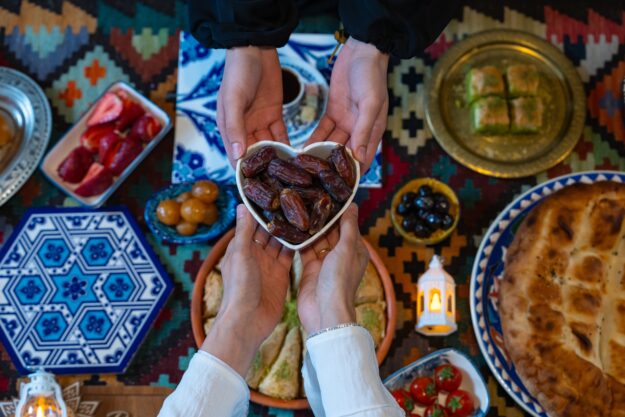
If foster parents are looking after children who want to fast, then it’s just about being supportive. These days you can get information online as to what the local fasting/prayer times are to follow in each area. We traditionally (not necessarily) open the fast with dates which are easily available in most shops. One advice I would give is the importance of hydration. I found that the lack of water always got to me. But then I started having watermelon after opening the fast each day and it was a game changer. So ensuring that young people are drinking lots when they are able to would help to make sure they don’t struggle too much.
More from our foster parents…